



The Principle of Heat Transfer Coated Cups: How Technology Creates Lasting Art
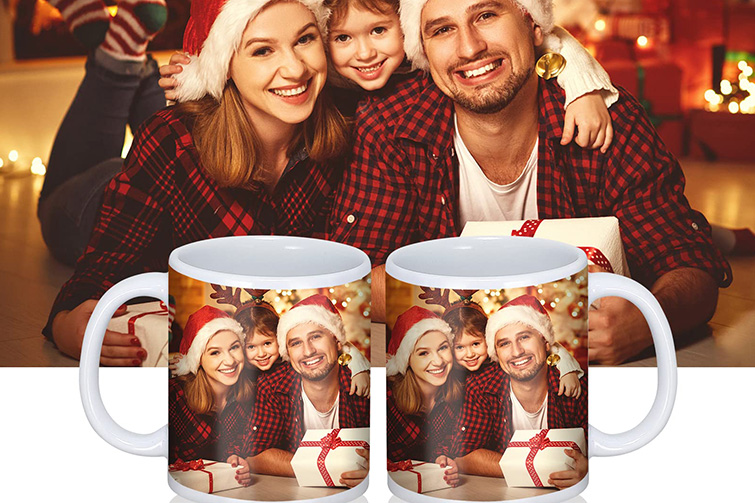
In the world of custom drinkware, heat transfer coated cups stand out for their ability to display vibrant, photo‑quality images that wrap around the entire surface. From personalized gifts to branded merchandise, these cups have become a favorite among businesses and consumers alike. But what exactly makes them work? Behind the stunning visuals lies a carefully engineered interplay of materials, chemistry, and heat. Understanding the principle of heat transfer coated cups not only helps buyers make informed decisions but also reveals why quality and craftsmanship matter so much.
1. The Core Components: Substrate, Coating, and Transfer Medium
A heat transfer coated cup is essentially a three‑layer system:
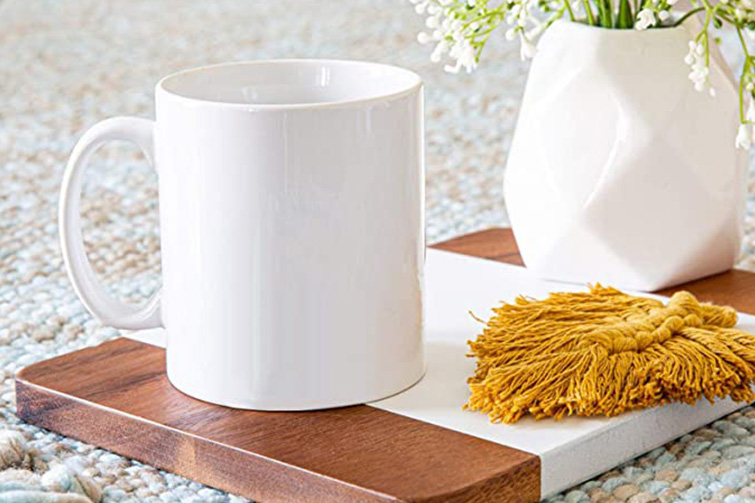
- Substrate (Base Material): Usually ceramic, stainless steel, or glass. This provides the structural strength, thermal stability, and food‑contact safety. Ceramic is the most common due to its smooth surface, heat resistance, and compatibility with coatings.
- Coating Layer: A specially formulated polymer (often a polyester or epoxy‑based resin) that is sprayed or applied onto the substrate and then cured at high temperature. This layer acts as a receptor for the ink or transfer film.
- Transfer Medium: Typically a dye‑sublimation ink printed on transfer paper, or a heat transfer film pre‑printed with the design. During the transfer process, heat and pressure cause the colorants to migrate into the coating layer.
The synergy of these three components determines the final quality, durability, and safety of the product.
2. The Two Main Transfer Technologies
While the term “heat transfer” is used broadly, two primary technologies dominate the market: dye sublimation and heat transfer film (also known as heat transfer vinyl or thermal transfer). Both rely on heat to bond the design to the coated cup, but their mechanisms differ.
Dye Sublimation
Dye sublimation is the most common method for ceramic heat transfer cups. The process involves:
- Printing: The design is printed in reverse onto special transfer paper using sublimation inks. These inks contain disperse dyes—solid colorants that can turn into gas without passing through a liquid phase when heated.
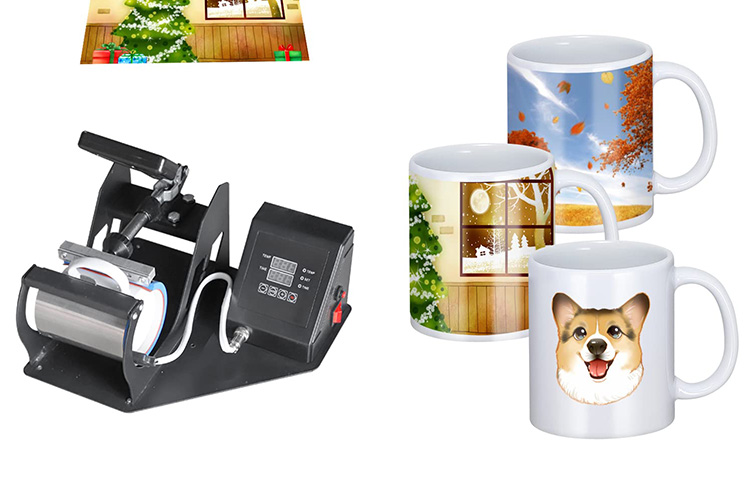
- Transfer: The printed paper is wrapped tightly around the coated cup and placed in a heat press or oven. Temperatures typically range from 180°C to 220°C (356°F to 428°F).
- Sublimation: Under heat and pressure, the solid dye particles in the ink sublime directly into a gas. The polymer coating on the cup has a molecular structure that opens up at these elevated temperatures, allowing the gaseous dye to penetrate the surface.
- Permanent Bonding: When the cup cools, the polymer coating “closes” around the dye molecules, trapping them permanently. Because the dye becomes embedded within the coating rather than sitting on top, the resulting image is highly resistant to scratching, fading, and dishwasher cycles.
Key advantage: The image becomes part of the coating, offering exceptional durability and a smooth, seamless finish.
Heat Transfer Film (Vinyl / Thermal Transfer)
This method uses pre‑printed designs on a carrier film. The transfer is achieved by:
- Application: The film is placed onto the coated cup with the design facing the surface.
- Heat and Pressure: A heat press or specialized machine applies heat (typically 150–180°C) and pressure. The adhesive layer on the film activates and bonds to the coating.
- Peeling: After cooling, the carrier film is removed, leaving the design adhered to the cup.
This method is often used for smaller runs, complex shapes, or when metallic or specialty effects are needed. However, because the design sits on top of the coating, it may be slightly less durable than sublimated images under harsh conditions.
3. The Critical Role of the Polymer Coating
Whether using dye sublimation or heat transfer film, the coating is the unsung hero. Without it, the ink would not properly adhere to materials like ceramic or metal, which are naturally non‑porous and chemically inert.
Characteristics of a high‑quality coating:
- Thermal Responsiveness: The coating must soften at transfer temperatures to allow dye penetration (in sublimation) or to form a strong bond with the adhesive film.
- Uniform Thickness: Inconsistent coating leads to patchy colors or weak adhesion.
- Durability: After curing, the coating should be hard, resistant to scratches, and unaffected by hot beverages or dishwashing detergents.
- Food Safety: The coating must be formulated from materials that are safe for food contact, free from harmful leaching.
Professional manufacturers apply the coating via automated spraying or dipping, then cure it in controlled ovens. This process ensures a consistent receptor layer that will deliver reliable results every time.
4. Step‑by‑Step: From Raw Cup to Finished Product
To appreciate the principle, let’s walk through the typical production process for a ceramic heat transfer coated cup:
- Cup Formation: The ceramic body is formed (by slip casting or jiggering), dried, and fired at high temperature to create a durable, glazed surface.
- Coating Application: A heat transfer coating is evenly sprayed onto the cup, often avoiding the rim and interior to maintain food safety. The coating is then cured in an oven at around 150–200°C to polymerize it into a hard, glossy layer.
- Design Transfer: The cup is placed on a rotating jig or wrapped with transfer paper (for sublimation) and subjected to heat and pressure in a specialized oven or press. The dyes or adhesives activate and bond with the coating.
- Cooling and Inspection: After cooling, the cup is inspected for color accuracy, adhesion, and surface integrity. Any defects are rejected.
Throughout this process, precise temperature control and timing are essential. Too little heat results in incomplete transfer; too much can yellow the coating or distort the cup.
5. Why Durability and Safety Depend on the Principle
Understanding the principle clarifies why not all heat transfer cups are equal.
- If the coating is substandard, the design may peel, crack, or fade after a few washes. Poor adhesion can also lead to the coating itself delaminating from the ceramic.
- If the transfer temperature is incorrect, the dye may not fully penetrate the coating, resulting in dull colors or a “ghosted” image.
- If safety protocols are ignored, the coating might contain substances that are not food‑safe. Reliable manufacturers test their finished products to meet international standards like FDA, LFGB, or EU 1935/2004.
The principle also explains why ceramic is the preferred substrate: its high thermal stability and smooth surface allow the coating to bond strongly without deformation. Stainless steel, while durable, requires specialized primers and lower‑temperature coatings, making the process more complex and costly.
6. Innovations and Future Trends
As the demand for custom cups grows, manufacturers continue to refine the principle. New developments include:
- Eco‑friendly coatings: Water‑based, low‑VOC formulations that reduce environmental impact.
- Enhanced durability: Coatings engineered to withstand commercial dishwashers for hundreds of cycles.
- Special effects: Coatings that accept metallic, glow‑in‑the‑dark, or textured transfers, expanding creative possibilities.
- Pre‑coated blanks: Many manufacturers now offer pre‑coated blanks that allow end‑users (small businesses, print shops) to perform the final transfer themselves using a simple heat press.
These innovations rely on the same foundational principle—using heat to bond colorants into a specially prepared coating—but push the boundaries of what is possible in terms of aesthetics and performance.
Conclusion
The principle behind heat transfer coated cups elegantly combines materials science, thermal dynamics, and precision manufacturing. At its heart, it is about creating a specialized polymer layer that can receive and permanently lock in colorants under controlled heat and pressure. Whether through dye sublimation, where dyes penetrate the coating at a molecular level, or through film transfer, where adhesives form a strong bond, the result is a durable, vivid decoration that turns an ordinary cup into a personalized statement.
For businesses sourcing these products, understanding this principle helps distinguish between a cheap knock‑off and a professionally manufactured item. A high‑quality heat transfer coated cup is not merely printed; it is engineered. With the right substrate, a properly formulated coating, and precise process control, manufacturers like AAL Ceramic Cup Factory deliver products that combine safety, durability, and breathtaking design—proving that behind every beautiful cup, there is sound science at work.