


What Material Should You Choose for Coated Cups? A Comprehensive Guide
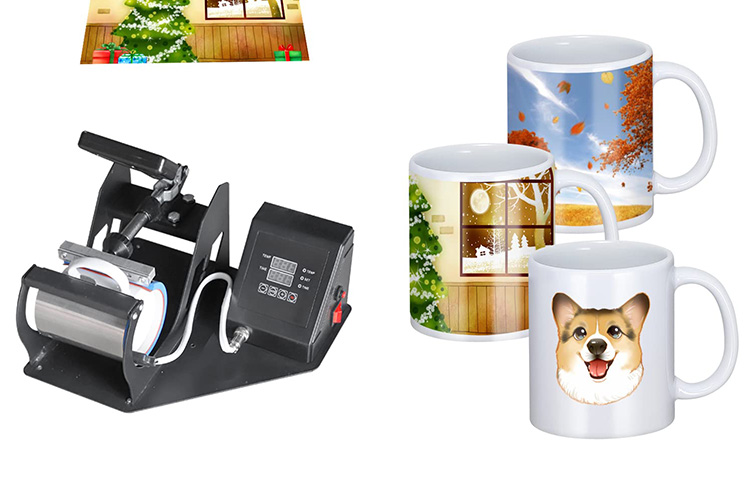
In the world of custom drinkware, coated cups have gained tremendous popularity, especially for businesses involved in branding, gifting, and cross‑border e‑commerce. A coated cup is typically a cup (often ceramic) that receives a specialized coating—such as a heat transfer coating—to enable high‑quality decoration, vivid image printing, or unique surface effects. However, the performance, safety, and overall success of a coated cup depend heavily on the material of the base cup itself. Choosing the right substrate is a critical decision for brands, gift companies, and retailers. This article explores the most common base materials for coated cups and provides guidance on how to select the best option for your specific needs.
1. Ceramic – The Industry Standard
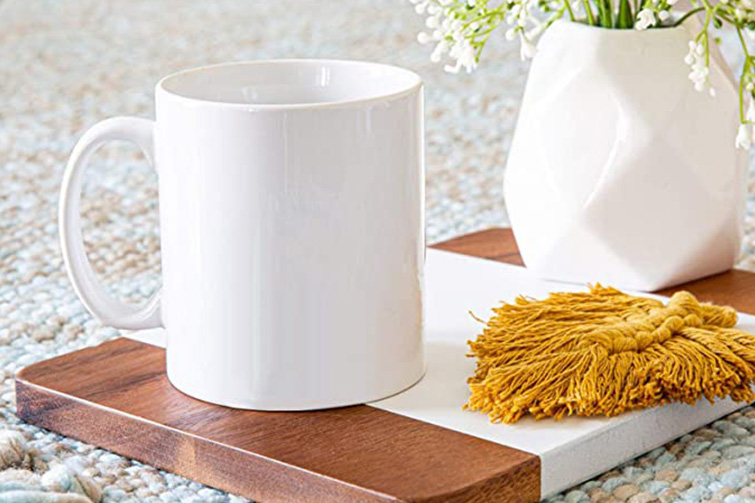
Ceramic is by far the most widely used base material for coated cups, especially in the promotional and gift sectors. High‑fire porcelain and stoneware are preferred because of their smooth, non‑porous surfaces, which provide an ideal foundation for coatings such as heat transfer layers.
Advantages:
Superb print quality: Ceramic surfaces allow coatings to adhere evenly, resulting in sharp, vibrant images.
Excellent heat resistance: Ceramic withstands the high temperatures required for curing heat transfer coatings (typically 180–220°C), ensuring the coating bonds firmly.
Food safety: High‑quality ceramic is inert and free from harmful substances after proper glazing, meeting international food contact standards.
Premium feel: Ceramic cups offer a substantial, high‑end tactile experience that consumers appreciate.
Considerations:
Weight: Ceramic is heavier than materials like plastic or aluminum, which can affect shipping costs.
Fragility: Although durable in daily use, ceramic can chip or break if dropped. For applications where durability is paramount, reinforced ceramic or alternative materials may be considered.
For most brand customization, gift procurement, and supermarket supply scenarios, ceramic remains the top choice due to its balance of aesthetics, safety, and print fidelity.
2. Glass – Elegant but Demanding
Glass cups with coatings are often used for high‑end gift lines or specialty beverageware. Soda‑lime glass and borosilicate glass are common substrates.
Advantages:
Transparency: Glass allows for unique “see‑through” effects, and coatings can be applied to create translucent or fully opaque decorative layers.
Chemical inertness: Glass is completely non‑porous and does not react with beverages, making it ideal for coffee, tea, or acidic drinks.
Premium appearance: Glass conveys a sense of purity and elegance.
Considerations:
Coating adhesion: Glass requires careful surface preparation (priming) to ensure the coating bonds well. Not all coating formulations work reliably on glass.
Thermal shock: If the coating and glass have mismatched thermal expansion, rapid temperature changes can cause cracking.
Fragility: Glass is even more prone to breakage than ceramic, making it less suitable for high‑volume promotional giveaways or outdoor use.
Glass coated cups are best reserved for premium gift projects where aesthetics take precedence over durability and cost‑effectiveness.
3. Stainless Steel – Durability First
Stainless steel cups—especially double‑wall vacuum insulated tumblers—are increasingly popular for coated applications. They are often coated with a heat transfer layer or a powder‑coated finish.
Advantages:
Exceptional durability: Stainless steel is virtually unbreakable, making it ideal for outdoor, travel, and sports applications.
Insulation performance: Double‑wall vacuum construction keeps beverages hot or cold for hours.
Lightweight relative to ceramic: Stainless steel offers strength without excessive weight.
Considerations:
Coating complexity: Applying heat transfer coatings to stainless steel requires specialized primers and curing processes because metal surfaces are less porous than ceramic.
Surface texture: To achieve a smooth print area, the cup often needs a polished or pre‑coated base layer, adding to production cost.
Thermal conductivity: Without proper insulation, the exterior can become hot, affecting coating longevity.
Stainless steel coated cups are ideal for cross‑border e‑commerce and outdoor brands that prioritize durability and thermal performance, though they typically command higher unit costs than ceramic.
4. Plastic – Lightweight and Affordable
Plastic cups (polypropylene, Tritan, etc.) are sometimes coated for promotional items, especially for events where weight and breakage are major concerns.
Advantages:
Low cost: Plastic is the most economical base material.
Lightweight: Significantly reduces shipping and handling expenses.
Impact resistance: Plastic does not break, making it suitable for children’s products or large‑scale giveaways.
Considerations:
Heat sensitivity: Most plastics cannot withstand the high curing temperatures required for standard heat transfer coatings. Low‑temperature coatings or alternative decorating methods must be used.
Coating durability: Coatings on plastic are more prone to peeling or scratching over time.
Environmental concerns: Single‑use plastics face increasing regulatory and consumer resistance. Reusable plastic cups with coatings may still raise sustainability questions.
For short‑term promotional campaigns where budget is extremely tight and breakage risk is high, plastic can be a viable option, but it rarely meets the quality expectations of brand‑building or gift applications.
5. The Role of the Coating Itself
While the base material is crucial, the type of coating also influences material choice. Heat transfer coatings—the focus of many custom cup orders—are polymer‑based layers that are sprayed onto the cup and then cured. These coatings create a surface that accepts dye‑sublimation or heat transfer printing. For optimal results, the substrate must:
Withstand curing temperatures (usually 150–220°C) without deforming or releasing volatile substances.
Have a coefficient of thermal expansion compatible with the coating to prevent cracking or delamination.
Provide adequate surface energy for the coating to bond.
Ceramic excels in all these areas, which is why it is the default choice for professional coating applications. Some advanced stainless steel and glass products are also engineered specifically for heat transfer coatings, but they often require more complex manufacturing processes.
6. How to Choose the Right Material for Your Business
When selecting the material for coated cups, consider the following factors:
Application scenario:
For daily home or office use, ceramic offers the best balance of aesthetics, safety, and print quality.
For travel and outdoor use, stainless steel provides unmatched durability and insulation.
For premium gifting, high‑end glass or fine porcelain can create a luxurious impression.
Customization requirements:
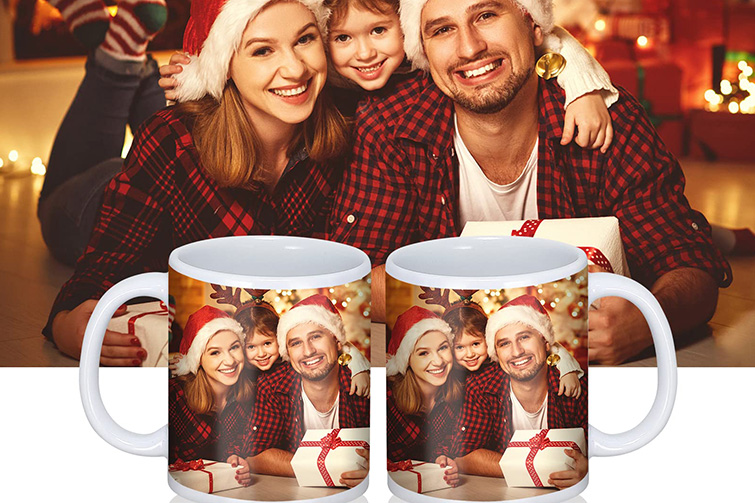
If your designs require full‑wrap, vibrant, photo‑quality prints, ceramic with a heat transfer coating is the most reliable medium. Complex relief textures or metallic finishes may also dictate a specific substrate.
Volume and budget:
Ceramic coated cups are generally more cost‑effective at scale than stainless steel. Plastic may appear cheaper initially but can lead to higher defect rates or shorter product life.
Safety and compliance:
Ensure the combination of base material and coating meets food contact regulations in your target market (e.g., FDA, LFGB, EU 1935/2004). Professional manufacturers like AAL Ceramic Cup Factory strictly control raw material selection and finished product inspection to guarantee safety.
Conclusion
The material you choose for coated cups directly affects product quality, printing results, durability, and customer perception. Ceramic remains the preferred choice for most brand customization, gift procurement, and supermarket supply due to its superior compatibility with heat transfer coatings, excellent safety profile, and premium feel. Stainless steel is ideal for durability‑focused applications, while glass serves niche premium segments. Plastic, though affordable, often compromises on quality and sustainability.
For businesses seeking a reliable partner, working with an experienced manufacturer—such as AAL Ceramic Cup Factory—ensures that both the base material and the coating process are optimized for your specific needs. With standardized quality control and flexible customization options, you can achieve high‑quality, recognizable coated cups that align with your brand values and market demands.