



How to Choose the Perfect Heat Transfer Cup: A Buyer’s Guide
Heat transfer cups have become a cornerstone of the custom drinkware industry. From branded promotional giveaways to premium gift sets and cross‑border e‑commerce best‑sellers, these cups offer unmatched potential for vibrant, long‑lasting decoration. But with so many options on the market—different materials, coatings, and manufacturing standards—how do you choose the right heat transfer cup for your specific needs? Whether you are a brand manager, a gift procurement specialist, or an online seller, making an informed decision ensures that your final product not only looks stunning but also performs reliably and meets safety requirements.
This guide walks you through the key factors to consider when selecting a heat transfer cup, helping you avoid common pitfalls and achieve the best results for your project.
1. Understand the Basics: What Is a Heat Transfer Cup?
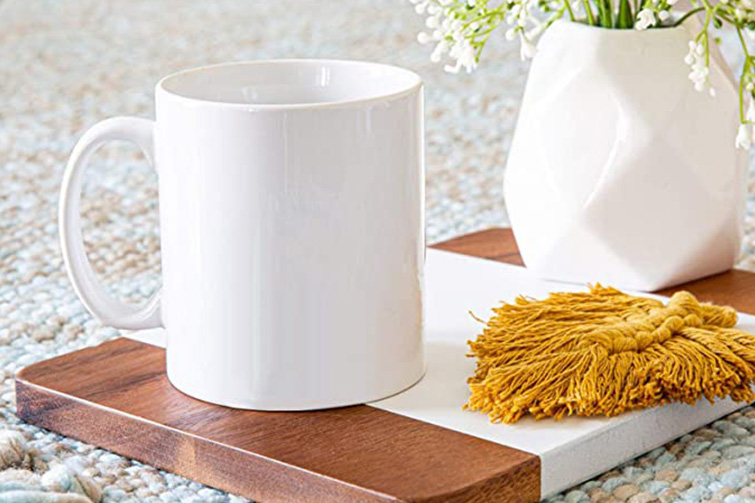
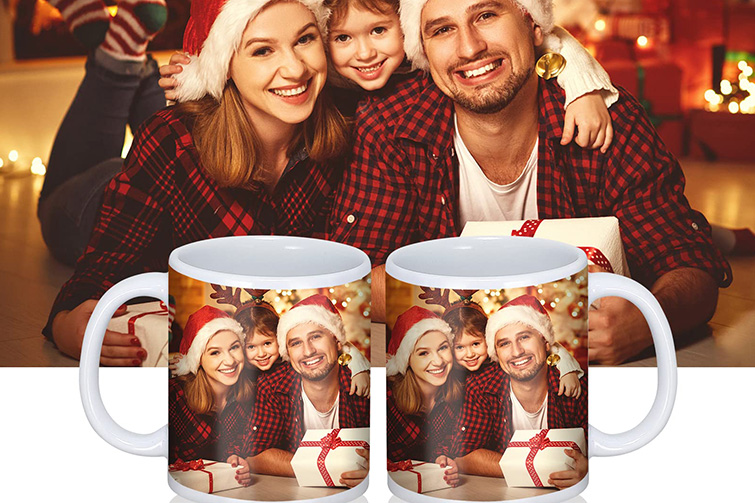
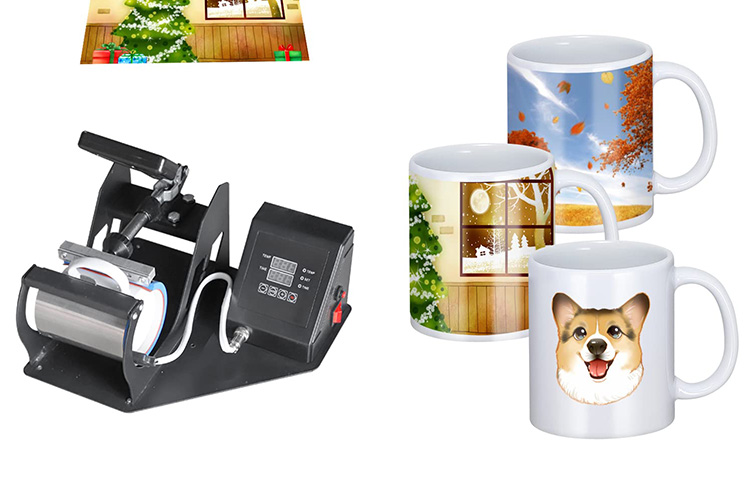
A heat transfer cup is a cup (typically made of ceramic, stainless steel, or glass) that has been pre‑coated with a special polymer layer. This coating allows designs to be transferred onto the cup using heat and pressure—most commonly through dye‑sublimation or heat transfer printing. The result is a high‑resolution, full‑color image that becomes permanently bonded to the coating. Unlike traditional screen printing, heat transfer can cover the entire surface, including the handle area, and produces photo‑realistic details.
The quality of the final product depends on three core elements: the base material, the coating, and the printing process. When choosing a heat transfer cup, you must evaluate all three.
2. Select the Right Base Material
The substrate of the cup directly influences durability, safety, and printing results. Here are the most common options:
Ceramic – The industry favorite. High‑quality porcelain or stoneware provides a smooth, non‑porous surface that accepts heat transfer coatings perfectly. Ceramic withstands the high curing temperatures (180–220°C) required for bonding, ensuring sharp, vivid prints. It is also chemically inert, food‑safe, and offers a premium, substantial feel. Ceramic heat transfer cups are ideal for brand customization, gift procurement, and supermarket supply.
Stainless Steel – Popular for travel mugs and insulated tumblers. Stainless steel is virtually unbreakable and offers excellent thermal retention. However, applying a heat transfer coating to metal requires specialized primers and precise process control. Lower‑quality stainless steel cups may suffer from coating peeling or uneven print surfaces. Choose suppliers with proven experience in coated stainless steel.
Glass – Used for high‑end gift lines. Soda‑lime or borosilicate glass can be coated for heat transfer, but adhesion is more challenging. Glass is elegant but fragile; it is best suited for applications where aesthetics take priority over durability.
Plastic – Rarely recommended for professional heat transfer because most plastics cannot endure the curing temperature. Low‑temperature alternatives exist, but the coating durability and safety standards are often inferior.
Verdict: For most B2B applications, ceramic offers the best balance of print quality, safety, and cost‑effectiveness.
3. Evaluate the Coating Quality
Not all heat transfer coatings are created equal. The coating acts as the receptor layer for the ink, and its quality determines how well the print adheres, how vibrant the colors appear, and how long the decoration lasts.
- Uniformity: A high‑quality coating should be applied evenly, with no orange‑peel texture, bubbles, or thin spots. Uneven coating leads to patchy prints.
- Heat Resistance: The coating must withstand the transfer temperature without yellowing, cracking, or releasing harmful fumes.
- Dishwasher Safety: For commercial use, check whether the coated cup is dishwasher‑safe. Premium coatings maintain their brilliance after repeated industrial dishwashing cycles.
- Food Contact Compliance: Ensure the coating itself meets food safety regulations (e.g., FDA, LFGB, EU 1935/2004). A reputable manufacturer will provide test reports.
Ask your supplier about the coating type (e.g., polyester‑based for sublimation) and the curing process. A professionally applied and cured coating is the foundation of a long‑lasting product.
4. Assess Print Quality and Customization Capabilities
The whole purpose of a heat transfer cup is to showcase your design. Therefore, you must understand what level of customization the supplier can achieve:
- Color Range: Can they reproduce complex gradients, spot colors, or photographic images accurately? Ask for sample prints.
- Full‑Wrap Coverage: Some cups allow decoration that wraps seamlessly around the entire body, including near the handle. Verify if the supplier offers this capability.
- Special Effects: Beyond standard printing, some manufacturers offer metallic finishes, gloss/matte contrasts, or even relief textures combined with heat transfer. If your brand requires distinctive visual elements, look for a partner with advanced customization options.
- Proofing Service: A reliable supplier will provide design proofing before mass production. This step helps avoid color mismatches or positioning errors.
5. Verify Safety and Compliance
For cups intended for food and beverage contact, safety is non‑negotiable. Before placing an order, confirm that:
- The base material (ceramic, stainless steel, etc.) complies with relevant food contact regulations.
- The coating does not leach hazardous substances when in contact with hot or acidic liquids.
- The finished product has been tested for lead, cadmium, and other heavy metals (especially important for ceramic).
- If intended for children or specific markets (e.g., EU, North America), the product meets local regulatory standards.
A professional manufacturer will be able to supply certification documents and conduct regular internal quality control checks. Do not compromise on safety for the sake of lower cost.
6. Consider Durability and Use Case
Think about how and where the cup will be used:
- Daily home/office use: Ceramic cups with high‑quality coating are perfect. They offer excellent print durability and are easy to clean.
- Travel and outdoor: Stainless steel vacuum cups are more impact‑resistant and maintain temperature. Ensure the coating on metal is rated for long‑term use.
- Promotional events: If you need a lightweight, cost‑effective solution for short‑term campaigns, ceramic remains a solid choice; plastic should be avoided for quality branding.
- Gift packaging: Presentation matters. Premium ceramic or glass cups often pair well with custom boxes or sleeves.
Match the product’s durability to the intended environment to ensure customer satisfaction and minimize returns.
7. Partner with a Reliable Manufacturer
Ultimately, the quality of your heat transfer cups depends on the expertise of your manufacturing partner. Look for a supplier that:
- Has years of experience specifically in coated cup production.
- Operates standardized production processes, from raw material selection to finished product inspection.
- Provides a one‑stop service: design support, proofing, mass production, and packaging.
- Offers transparent communication and consistent lead times.
A manufacturer like AAL Ceramic Cup Factory exemplifies these qualities—specializing in ceramic heat transfer cups with strict quality control and flexible customization services. By choosing a trusted partner, you minimize risks and ensure that your final product aligns with your brand image.
Conclusion
Selecting the right heat transfer cup involves more than picking a pretty sample. It requires careful evaluation of base material, coating quality, print capabilities, safety compliance, and the manufacturer’s reliability. Whether you are sourcing for brand merchandising, gift programs, or cross‑border e‑commerce, prioritizing quality at every step will lead to a product that delights your customers and strengthens your brand reputation.
Take the time to request samples, review certifications, and communicate your specific requirements with your supplier. With the right choice, a heat transfer cup becomes not just a functional item but a powerful canvas for your brand story.